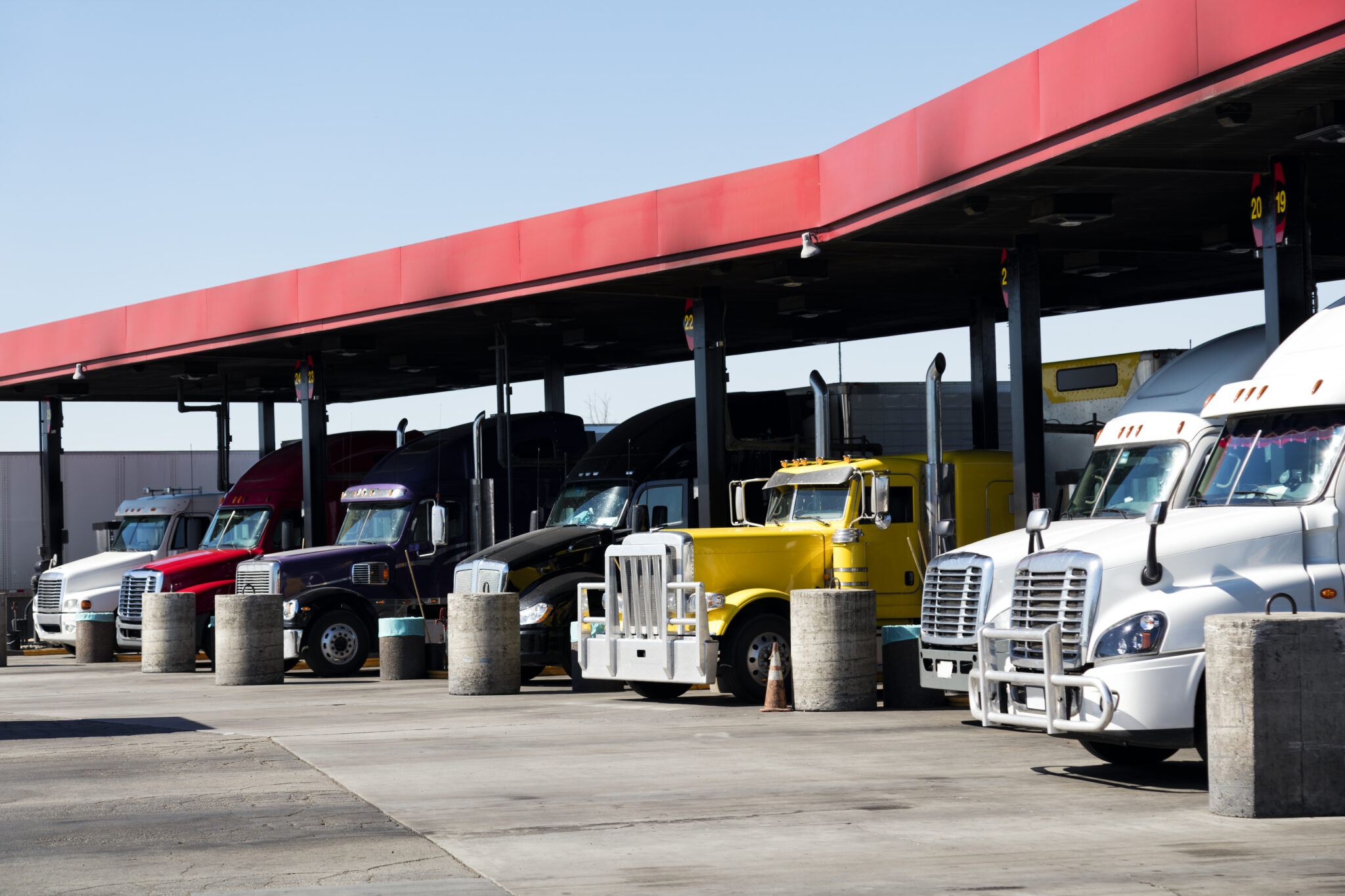
A major news story caught our attention some weeks ago: The White House may declare an emergency to allow President Joe Biden to release diesel from the “Home Heating Oil Reserve” to reduce some of the record price increases and shortages.
Diesel powers much of the equipment in the agricultural and construction industries and also in the transportation one; trucks (yes, that is where we come in), trains, and ships that move goods all over the country. Of course, your car included! So, there is a real reason to be concerned.
Skyrocketing prices are taking a toll on families, contributing to inflation, which is already the worst in four decades in the United States.
We have talked about the shortage of diesel and goods in our other articles. But, in summary, the main reasons are:
- The war in Ukraine,
- China’s extreme covid containment measures that depressed production and clogged ports,
- The closure of several refineries in the U.S. and Canada that has limited the system’s ability to produce gasoline, diesel, and fuel,
- The post-pandemic demand increased (more people traveling),
- and so on…
“The system is definitely under pressure,” a senior White House official told CNN, and no doubt our staff see it too every day.
Would releasing the reserve really have an impact?

The answer, as always in these things, is mixed. The reserve in this fund is relatively small. We’re talking about it only having 1 million barrels of diesel, which is equivalent to a one-day supply of the Northeast region.
So, no, you will not have an unlimited supply, nor will we stop scratching our heads to find other solutions in the transportation industry.
How did RCG keep growing and providing good service to its customers during the pandemic?
In fact, according to Andy Lipow, president of Lipow Oil Associates, this might “buy a couple of weeks or even months, but it doesn’t solve the underlying problems.”
Our estimates and those of others are that the price could rise to $10 per gallon by September. I know… BAD NEWS, SHUT DOWN!
The good news, though, is that there are signs that the diesel supply shortage is easing, suggesting that a release from the Northeast reserve may not even be necessary.
Government statistics show that distillate fuel inventories rose by 1.2 million barrels last week, although they are still 22% below the five-year average.
Regardless of what the crystal ball holds, what does all this imply for the transportation industry?
Good news and bad news. As always.
Let’s refer to last week’s Freight Waves chart. “Dry van spot rates (NTI) have plummeted 18% since the beginning of the year, but if you take out fuel (NTIL), they nearly double to 32%.”
The big takeaway, Zach Strickland, FW Market Expert at FW, tells us, is that carriers that rely on spot market freight have seen their margins erode faster than the rates alone imply.
The paradox is that fuel costs (and the whole diesel issue we started this article with) have had little influence on maintaining market rates afloat. And actually, the crux of the matter could have more to do with the industry biases and how companies can respond to crises.
In straightforward words, the contracted freight industry is biased toward larger shippers as they have the scale and tools that make having set rates more efficient. Smaller fleets, on the other hand, don’t have that margin and work with the leftover. It means the overflow freight.
Learn More about How do Carriers get paid, here!
As Mister Strickland states, “Even though few people expected freight to move at such overheated levels forever, it is very difficult to know how to grow your operation sustainably in this environment.”
With carriers, companies, users, and customers deciding based on this upside-down, overheated, and unsustainable market, the costs of operating will keep climbing for a time and the smaller companies will be the most at risk this year.
But then?
Anyone who says these past few years have been easy for the transportation and logistics industry lies.
We have already outlined all the reasons and challenges that still lie ahead. However, from our experience, cutting-edge technology is the most effective way to navigate the storm. That’s how we have done it at RCG Logistics since 2005, and that’s why even amid so much instability we have remained one of the fastest-growing companies.
- We believe that we all have a part in improving this crazy industry. Technology allows us to adjust routes, fill trucks more efficiently, make fewer stops and ultimately deliver better customer service. So, we must invest in that!
- As low inventories show us, we must provide better intermodal solutions. Improve connections from port to port, terminal to terminal, and all in between. Again, all of this is possible with technology.
- Finally, we must upgrade conditions for carriers, invest in new generations, and training. Follow us on our social media. Our next blog would be on how Gen Z Truckers might be a solution!
Get Your Free Car Shipping Quote Now!
…So, yes, the transport industry might survive. But, we do need to make some changes.
About the Author: Maria Pelaez

Author